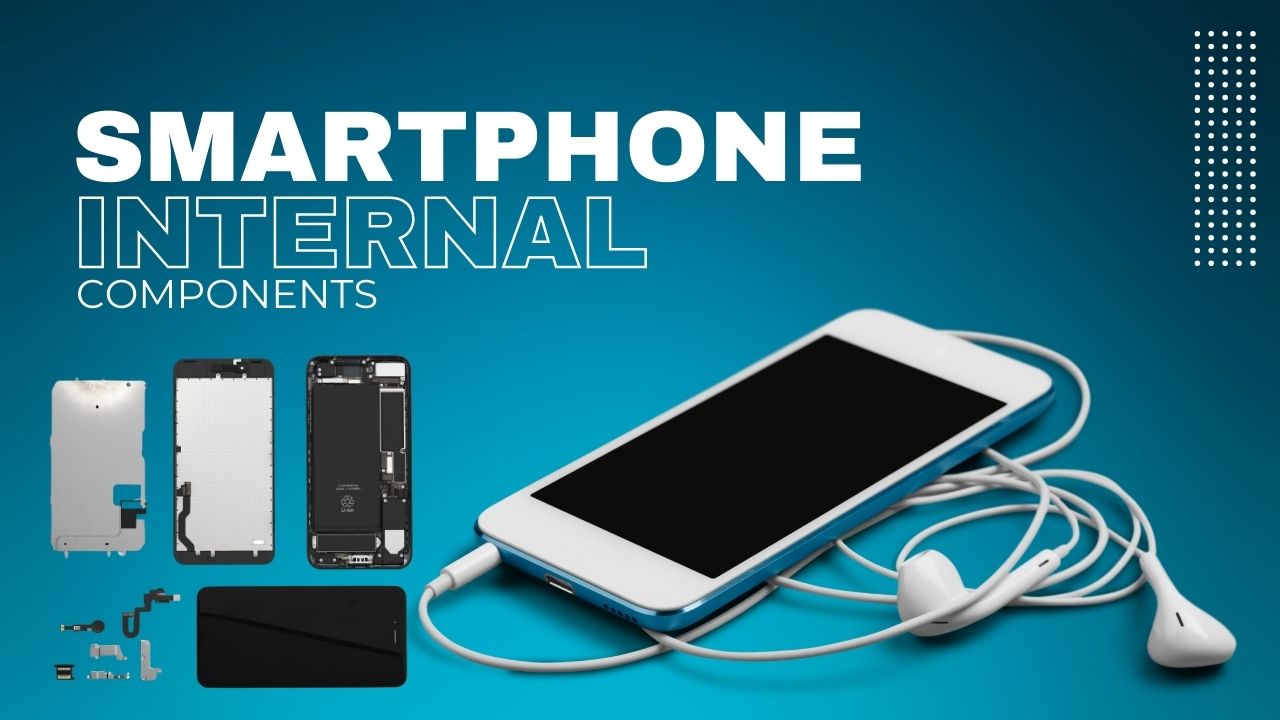
Ever wondered about the smartphone internal components powering your favorite devices like iPhones or Android phones?
Modern smartphones, whether you’re holding an iPhone or an Android device, share essential components that power their impressive capabilities. Let’s explore these crucial parts that make your daily companion incredibly functional:
Overview of Smartphone Internal Components: What’s Inside Your Phone
1. Processor (CPU)
When exploring smartphone internal components, starting with the processor (CPU) is crucial. The processor acts as your smartphone’s brain, managing instructions, apps, and multitasking. Apple’s iPhones use proprietary chips like the A17 Pro, while Android phones typically rely on processors like Qualcomm Snapdragon or MediaTek Dimensity.
2. Graphics Processing Unit (GPU)
The GPU manages all visual output, making your phone great for gaming, streaming, and multimedia tasks. iPhones integrate Apple-designed GPUs, while Android devices commonly utilize GPUs like Adreno (Snapdragon) or Mali (MediaTek).
3. Memory (RAM)
Random Access Memory (RAM) stores temporary data, allowing smooth multitasking and quick app loading. Most modern Android phones offer between 6GB to 12GB of RAM, whereas iPhones typically feature less RAM (around 4GB to 8GB) but benefit from optimized software performance.
4. Storage
This is where your data, apps, photos, and videos reside. Smartphones generally offer storage from 64GB up to 1TB or more. Android devices often support expandable storage through microSD cards, a feature typically not available in iPhones.
5. Display
The screen is one of the most essential components, influencing your interaction experience. Modern smartphones use OLED or LCD technology. iPhones frequently utilize Retina OLED displays, while many Android devices offer AMOLED or Super AMOLED screens.
6. Battery
Batteries store and supply power to your phone. Both iPhones and Android devices commonly use lithium-ion batteries, with capacities typically ranging from around 3000mAh to 5000mAh, ensuring a day’s worth of usage or more.
7. Cameras
Cameras have become defining features in smartphones. iPhones are renowned for their optimized camera software and consistent performance. Android phones offer diverse camera hardware setups, often featuring multiple lenses, including wide, ultra-wide, telephoto, and macro lenses.
8. Operating System (OS)
The OS defines the user interface and software ecosystem. iPhones exclusively run iOS, known for its ease of use and security, while Android phones run Android OS, which offers extensive customization and flexibility.
9. Connectivity Components
These include Wi-Fi modules, Bluetooth, GPS, NFC (for payments), and cellular modems supporting 4G or 5G. Android and iPhone devices integrate these seamlessly, though hardware specifics can vary between models and regions.
10. Sensors
Smartphones contain multiple sensors, such as accelerometers, gyroscopes, ambient light, proximity, and biometric sensors (fingerprint scanners or facial recognition). These enhance user experience through automatic screen adjustments, security authentication, and interactive gaming experiences.
These smartphone internal components collectively ensure optimal performance and user experience.
Share this article
Leave a Reply